

Winter Vehicle Prep for St. George Drivers: What You Can’t Skip
Winter in St. George, Utah, may not bring the deep snow or icy highways of northern states, but the season still presents unique challenges for vehicles. Cooler temperatures, occasional frost, and unpredictable weather patterns can affect your car’s performance, safety, and reliability. Preparing your vehicle for winter conditions is not just a precaution—it’s a necessity. Even a minor oversight can lead to costly repairs or unsafe driving situations.
At Fox’s Friendly Auto, we’ve helped thousands of St. George drivers get their cars road-ready, and we know exactly which steps you cannot skip to keep your vehicle running smoothly this season.
Check Your Tires Before the Temperature Drops
Tires are the only part of your car that touch the road, making them critical for safety, especially in cooler weather. Even though St. George rarely sees snow, colder temperatures can reduce tire pressure, affecting handling and fuel efficiency.
Start by checking your tire pressure regularly. The recommended PSI for your vehicle is listed on a sticker inside the driver’s side door. A tire that is underinflated by even a few pounds can increase the risk of uneven wear, reduced traction, and longer stopping distances.
Tread depth is another crucial factor. Tires lose grip as tread wears down, which can be especially dangerous on wet or frosty roads. A quick way to check is the penny test: insert a penny into the tread groove with Lincoln’s head upside down. If you can see the top of his head, it’s time to replace the tires.
For drivers who prefer extra peace of mind, consider tires with all-season or winter-rated capabilities. These tires are designed to maintain flexibility and traction even as temperatures dip.
Keep Your Battery in Top Shape
Even in mild winters, cold mornings can reveal a weak battery. As temperatures drop, a battery’s ability to hold a charge decreases, which can leave you stranded when you least expect it.
Signs of a struggling battery include slow engine cranking, dim headlights, or the check engine light flickering. If your battery is more than three to four years old, it’s a good idea to have it tested. Preventive battery maintenance is a small investment compared to the inconvenience and cost of a dead battery on a chilly morning.
Mobile services can also help if you run into trouble. Many local providers can test, recharge, or even replace your battery on-site, getting you back on the road without a tow.
Inspect Brakes and Suspension
Cooler temperatures and occasional rain can make braking distances longer, so ensuring your brakes are in excellent condition is vital. A professional brake inspection can detect worn pads, uneven rotor wear, or issues with brake fluid. Ignoring these signs can compromise your stopping power and safety.
Suspension plays a supporting role in both handling and ride comfort. Worn shocks, struts, or bushings can make your vehicle feel unstable, especially over uneven roads or during emergency maneuvers. A quick suspension check can prevent accidents and improve your car’s responsiveness during winter drives.
Fluid Checks and Changes
Fluids are the lifeblood of your vehicle, and winter is a demanding time for them. Start with engine oil. Cooler temperatures can thicken oil, making it harder for your engine to start and run efficiently. Switching to a winter-grade oil can help your engine perform optimally.
Antifreeze or coolant levels are equally important. Properly mixed antifreeze prevents the engine from freezing in cold weather and protects against overheating during sudden warm spells. Check the coolant level and top it off if necessary.
Windshield washer fluid should also be winter-rated to resist freezing. Visibility is critical during winter months, and a clear windshield can be the difference between safely arriving at your destination and getting stuck in a slippery situation.
Lights and Electrical Systems
Shorter days mean more time driving in low-light conditions. Headlights, brake lights, and turn signals should all be checked to ensure they are bright and functioning correctly.
Electrical systems, including fuses, alternators, and wiring, should be inspected to prevent malfunctions. Cold weather can amplify existing electrical issues, causing intermittent problems that are difficult to diagnose without professional help.
Wiper Blades and Windshield Care
Windshield wipers are often overlooked, yet they are essential for winter driving. Replace old or streaking blades to maintain a clear view during rain or frost.
Consider using a frost scraper or de-icing spray on mornings when frost appears. Avoid using hot water, as sudden temperature changes can crack the windshield. Keeping your windshield in good condition not only improves visibility but also prevents damage that could lead to costly repairs.
Professional Inspections Save Time and Money
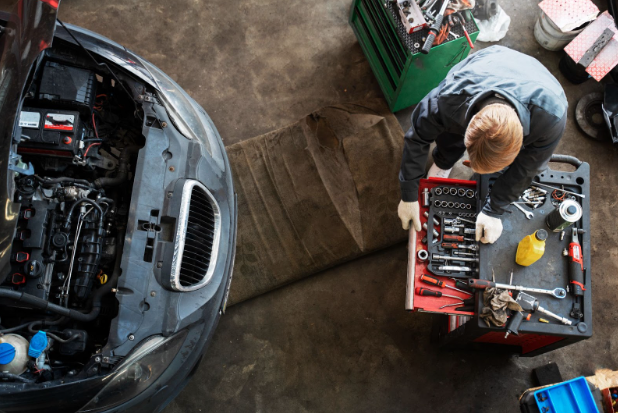
While some of these steps can be performed at home, a professional inspection ensures nothing is overlooked. Experienced technicians can catch subtle signs of wear or damage that might be missed by a casual check.
At Fox’s Friendly Auto, we combine advanced diagnostics with hands-on experience to ensure every vehicle is winter-ready. From tire checks and brake inspections to fluid analysis and battery testing, our team provides comprehensive service that gets you on the road with confidence.
Don’t wait for the first cold morning or a rainy day to reveal hidden issues. Call Fox’s Friendly Auto today or use our convenient online scheduling tool to book your winter vehicle inspection. Our certified technicians are ready to ensure your car, truck, or SUV performs reliably throughout the season.